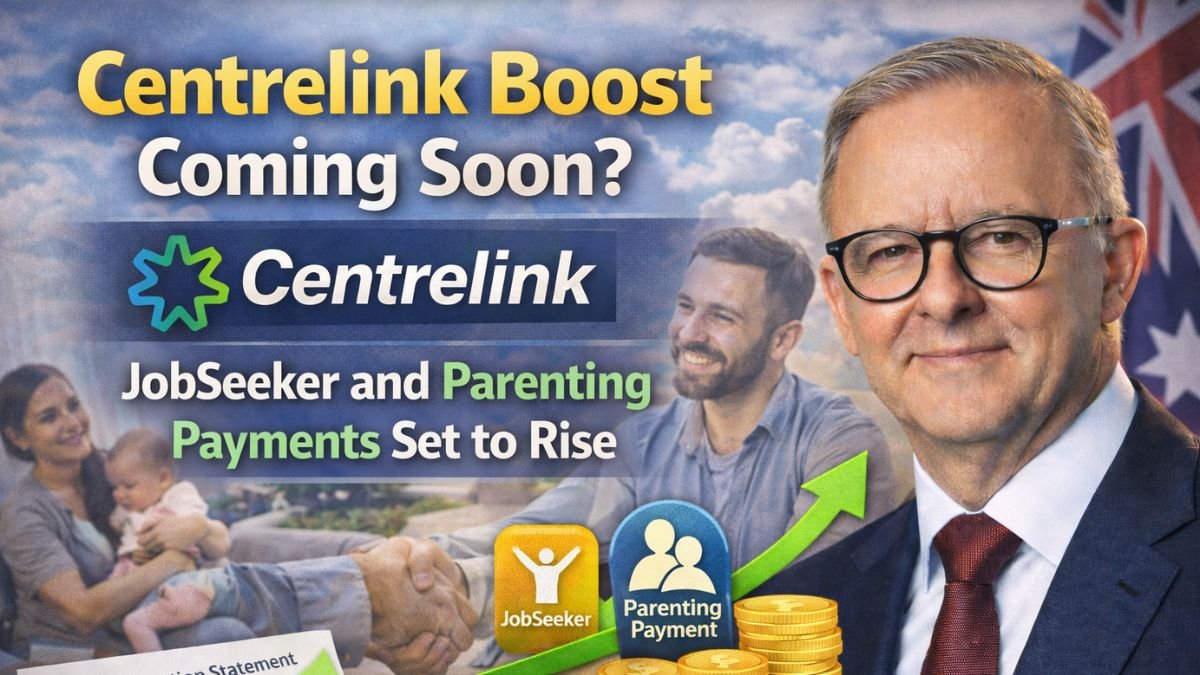
In 2026, many households across Australia continue to face financial pressure due to rising living costs. Prices for everyday needs such as groceries, rent, electricity, and transport have increased over the past few years. These changes have made it more difficult for families to manage their monthly budgets. To help reduce some of this pressure, the government has introduced a one-time $1,200 cost of living relief payment. This support is designed to provide temporary financial assistance for people who are struggling the most with rising expenses.
Purpose of the $1,200 Relief Payment
The $1,200 payment is part of a broader effort to help Australians deal with inflation and increasing household costs. It is not meant to permanently increase welfare payments but rather to offer short-term support during a difficult economic period. Many households that rely on government assistance have limited incomes that do not automatically rise with inflation. Because of this, the relief payment aims to help these individuals cover essential expenses such as food, energy bills, and housing costs.
Who May Receive the Payment
The payment is mainly intended for Australians who already receive support through the welfare system. Eligible groups are expected to include recipients of Age Pension, Disability Support Pension, and JobSeeker payments. These groups are often considered the most vulnerable to rising living costs because they rely on fixed payments or temporary financial assistance while searching for work. Pensioners may use the extra funds to pay for medical needs or daily living expenses, while job seekers may use the support to manage costs such as rent, transportation, and food.

How the Payment Will Be Delivered
Most eligible recipients will not need to apply separately for the payment. Government agencies can identify qualified individuals using existing Centrelink records. The relief payment will be transferred directly into the same bank accounts where recipients normally receive their government benefits. Direct bank transfer allows the process to remain simple and efficient while avoiding delays that could occur if people were required to submit new applications.
Expected Payment Timeline
The rollout of the $1,200 support payment is expected to begin in early March 2026. Some deposits may start appearing around March 9 or March 10, depending on administrative processing schedules. However, exact payment dates may vary depending on verification checks and bank processing times. Recipients are encouraged to ensure their personal information and banking details are up to date so the payment can be delivered without complications.
Short-Term Support During Economic Pressure
Although the $1,200 payment cannot fully solve the challenges created by rising living costs, it can still provide meaningful short-term relief. For many households, the payment may help cover several weeks of essential expenses such as groceries, electricity bills, or transportation costs. Economists note that targeted payments like this can also help local economies because recipients often spend the money on everyday goods and services within their communities.

Conclusion
The $1,200 cost of living relief payment is one of several measures aimed at helping Australians manage financial pressures in 2026. While the payment is temporary, it provides immediate assistance for people who rely on government benefits and are most affected by rising prices. Programs like this can help households maintain financial stability while broader economic policies continue working to address long-term affordability issues.
Disclaimer: This article is intended for informational purposes only and is based on publicly available reports about cost-of-living support measures. Eligibility rules, payment dates, and benefit amounts may change depending on government decisions or official announcements. Readers should confirm the latest information through official government or Services Australia sources.