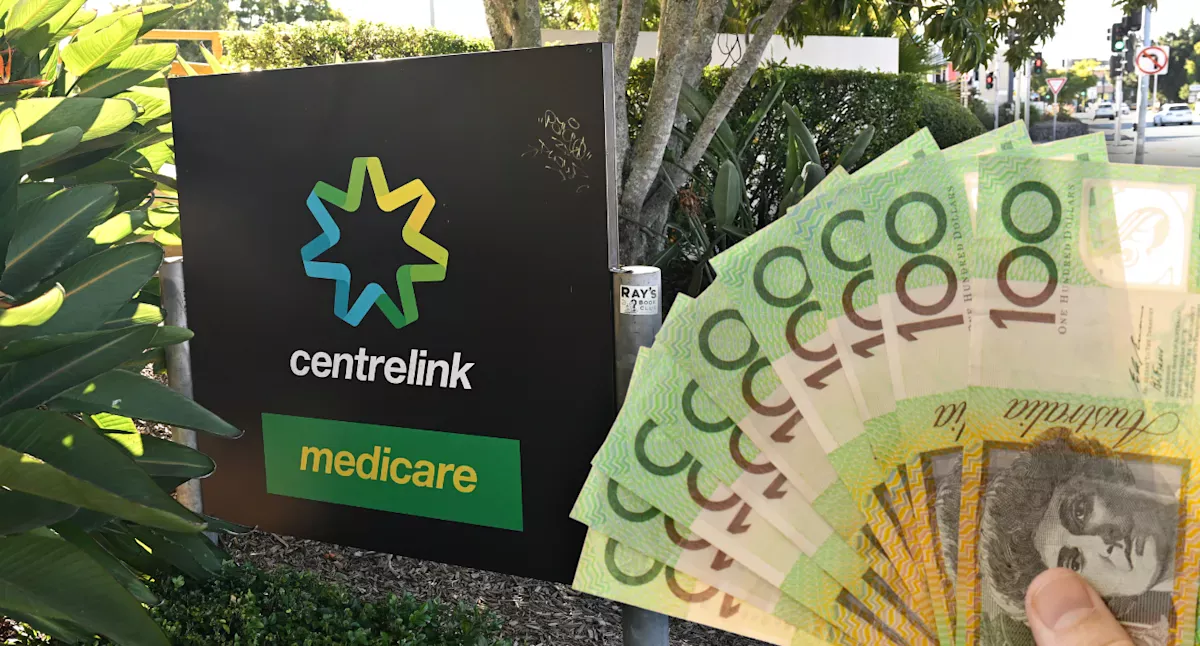
Millions of Australians who rely on government support payments will soon receive a small increase in their benefits. The government has confirmed that several social security payments will rise as part of the regular indexation process. Indexation is designed to ensure that support payments keep up with inflation and rising living costs. The new changes will take effect from March 20 and will affect a wide range of payments, including the Age Pension and other welfare benefits. These adjustments aim to provide additional financial stability for people living on fixed incomes.
Increase in Age Pension Payments
One of the most noticeable changes in the March update is the increase in Age Pension payments. Single pensioners will receive an additional $22.20 every two weeks, bringing their total payment to $1,200.90 per fortnight. Couples will also benefit from the increase, with each partner receiving an extra $16.70 per fortnight. This adjustment is part of the government’s twice-yearly review of pension payments. More than 2.5 million Australians who receive the Age Pension are expected to benefit from this increase.

Other Support Payments Also Rising
The March indexation will not only affect Age Pension payments. Several other government support programs will also receive small increases. People receiving JobSeeker payments, parents receiving support through parenting payments, and individuals who receive housing assistance such as rent support will also see higher payment amounts. Overall, more than five million Australians who receive government benefits are expected to receive slightly higher deposits in their bank accounts once the new rates take effect.
Changes to Income and Asset Limits

Another important part of the March update involves changes to income and asset limits used to determine eligibility for payments. The income test determines how much a pensioner can earn before their benefit begins to reduce. The government has slightly increased these thresholds, allowing pensioners to earn a little more income without immediately losing support. Similarly, the asset test limits have also been adjusted. This means pensioners can hold slightly more in savings or investments while still qualifying for a full or partial Age Pension.
Updated Deeming Rates for Financial Assets
The government also uses deeming rates to estimate how much income pensioners earn from financial assets such as bank savings, shares, and superannuation. Instead of calculating actual earnings, the system assumes a standard rate of return. The new adjustments slightly increase these deeming rates, meaning the government may estimate slightly higher income from financial assets. However, experts suggest that the increase in pension payments will likely offset the effect for many recipients.

Conclusion
Although the increases in payments may appear modest, they play an important role in helping Australians manage rising living costs. For retirees and individuals relying on government assistance, even small adjustments can provide meaningful financial support and greater flexibility in managing savings and income.
Disclaimer: This article is intended for general informational purposes only. Payment amounts, eligibility rules, and government support programs may change based on official policy updates. Readers are advised to verify the latest information through official government sources such as Services Australia before making financial decisions.