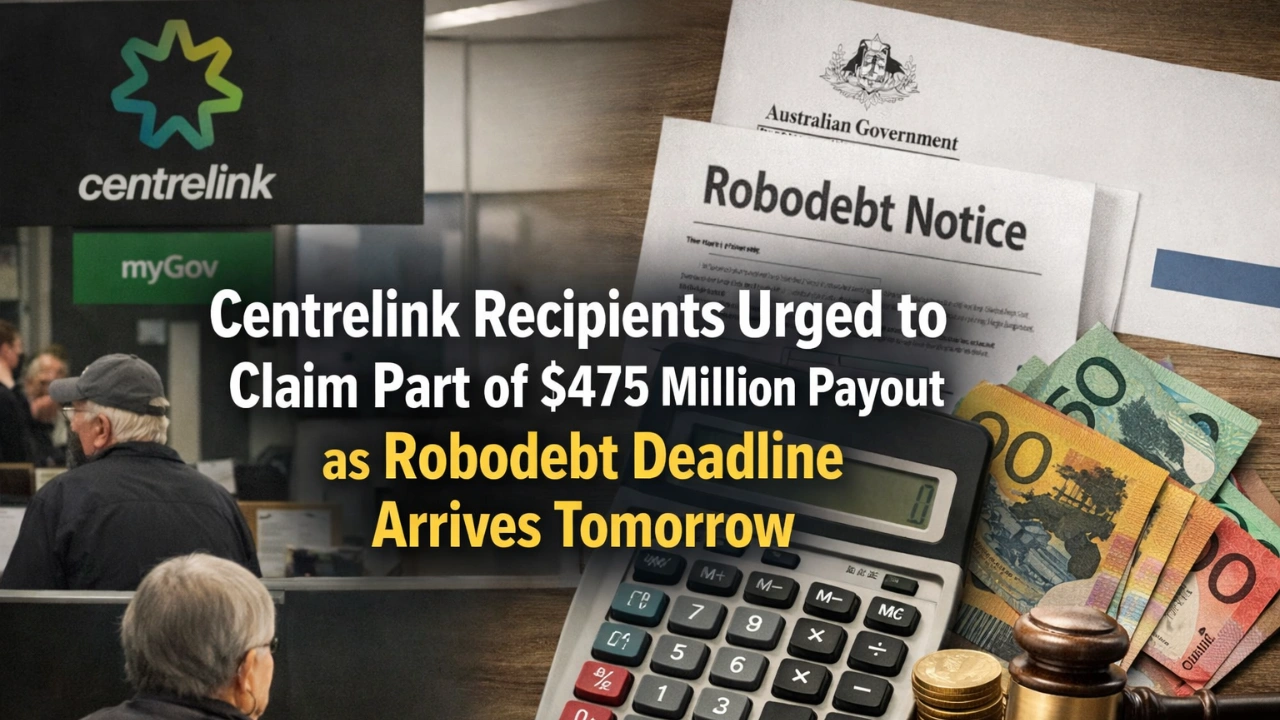
In 2026, millions of Australians who rely on government assistance are expected to benefit from updated Centrelink payment rates. The Australian government reviews social security payments regularly to make sure they reflect inflation and the increasing cost of living. These adjustments are particularly important for individuals and families who depend on welfare support to cover daily expenses. Payments such as JobSeeker, Age Pension, Youth Allowance, Disability Support Pension, Parenting Payment, and Carer Payment are all affected by the latest update.
Why Centrelink Payments Are Adjusted
Centrelink payments are indexed periodically to help recipients manage economic pressures. The government evaluates economic indicators such as the Consumer Price Index and the Pensioner and Beneficiary Living Cost Index when determining payment increases. These benchmarks measure changes in the cost of essential goods and services, including food, housing, electricity, and healthcare. In 2026, rising living expenses across Australia have made these adjustments particularly significant for low-income households.
JobSeeker Payment Increase in 2026
JobSeeker Payment supports Australians who are unemployed and actively looking for work. The 2026 adjustment introduces a modest increase to the fortnightly payment amount. Although the increase may appear small, it can help recipients manage everyday costs more easily. Along with the base payment, eligible individuals will continue to receive the Energy Supplement, which helps cover rising electricity and energy bills. To remain eligible for JobSeeker, recipients must continue meeting mutual obligation requirements such as job searches and training activities.

Age Pension and Disability Support Pension Updates
The Age Pension is a central part of Australia’s retirement income system, providing financial assistance to older citizens who have left the workforce. In 2026, Age Pension recipients will receive an increase in their regular payments. This updated amount includes the Pension Supplement and Energy Supplement, which are designed to assist with living expenses such as utilities and communication services. The Disability Support Pension will also see a similar increase. This payment supports individuals who cannot work due to long-term medical conditions or disabilities.
Support for Young People and Families
Youth Allowance helps young Australians aged between 16 and 24 who are studying, completing training, or searching for work. Rising rent and education costs have made this payment increasingly important. The 2026 adjustment increases the support available to young people, especially those living independently away from their families. Parenting Payment will also increase to help single parents manage the financial demands of raising children. Similarly, carers who provide full-time care to someone with a serious illness or disability will receive higher payments through the Carer Payment program.
How Recipients Receive the New Payment Rates
Individuals who are already receiving Centrelink payments do not need to apply again to receive the updated rates. The increased payments are usually applied automatically to existing accounts. However, it is important for recipients to ensure their personal information, income details, and living arrangements are updated through their myGov account. Keeping records accurate helps avoid delays or incorrect payments.

Conclusion
The 2026 Centrelink payment increases are intended to provide financial relief to Australians dealing with higher living costs. Although the changes may appear modest, they play an important role in supporting vulnerable households. Updated welfare payments help ensure that people relying on government assistance can continue to meet essential needs such as food, housing, and healthcare during a period of economic pressure.
Disclaimer: This article is for informational purposes only. Centrelink payment rates, eligibility rules, and benefit amounts may change based on government policies or official updates. Readers should confirm the latest details through Services Australia or official government websites before making financial decisions.